
 EN
EN ES
ES






Dealership blog
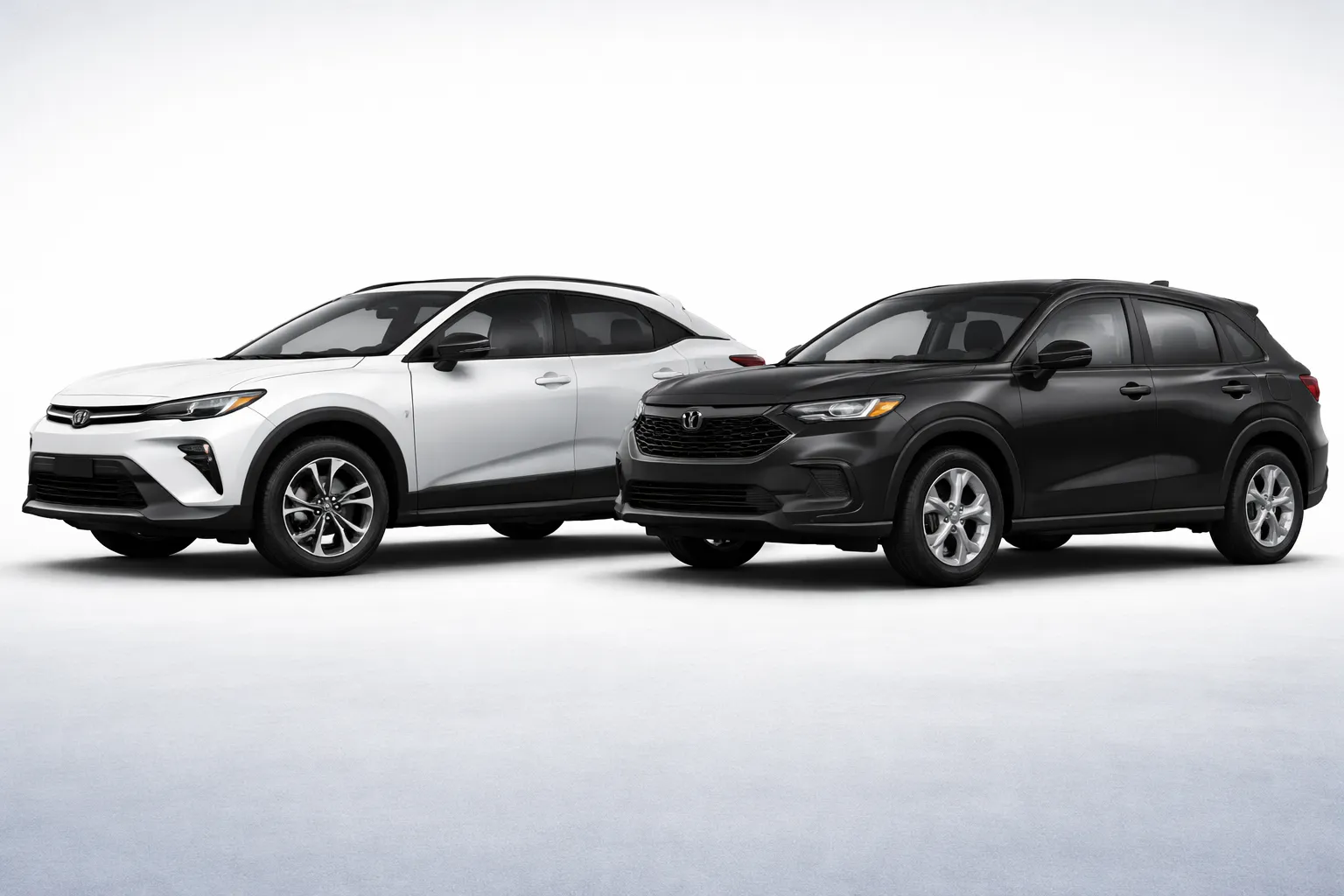
Toyota C-HR vs Honda HR-V: Which Compact SUV Fits Your Lifestyle?
If you are shopping for a compact SUV, the Toyota C-HR and Honda HR-V are two models that often come up in the same conversation. Both are designed for city driving, efficiency, and everyday practicality. The right choice depends on what matters most to you, whether that is style, driving feel, or long term value.
At Burien Toyota, we help drivers throughout the Seattle area compare compact SUVs like these every day. Here is how the Toyota C-HR and Honda HR-V stack up.
Design and Size
The Toyota C-HR stands out with a bold, coupe-inspired design that gives it a more sporty appearance than many compact SUVs. Its sculpted body lines and elevated stance appeal to drivers who want something different from the typical small crossover.
The Honda HR-V takes a more traditional approach with a focus on interior space and practicality. It offers a slightly larger overall footprint and more upright styling, which can translate to increased rear seat room and cargo flexibility.
Performance and Driving Experience
The Toyota C-HR is equipped with a 2.0L four cylinder engine paired with a continuously variable transmission. It is tuned for smooth driving and responsive handling, making it well suited for city traffic and tight urban environments like Seattle.
The Honda HR-V also uses a 2.0L four cylinder engine with a CVT. It delivers similar power, but its focus leans more toward comfort than agility. One key difference is that the HR-V offers available all wheel drive, while the Toyota C-HR is front wheel drive only.
Fuel Efficiency
Both models are designed to be efficient for daily driving. The Toyota C-HR typically achieves around 29 MPG combined, while the Honda HR-V delivers similar results depending on configuration. In real world driving, the difference is minimal for most drivers.
Interior and Technology
Inside, both vehicles offer modern infotainment systems with Apple CarPlay and Android Auto. The HR-V has an advantage in cargo space and rear seat flexibility, which may appeal to drivers who frequently carry passengers or gear.
The C-HR focuses more on driver comfort and design. Its interior layout is intuitive and centered around ease of use, which many drivers appreciate for everyday commuting.
Key Differences at a Glance
| Feature | Toyota C-HR | Honda HR-V |
|---|---|---|
| Drive Type | Front wheel drive | Front or available all wheel drive |
| Engine | 2.0L 4 cylinder | 2.0L 4 cylinder |
| Fuel Economy | Around 29 MPG combined | Around 28 to 30 MPG combined |
| Cargo Space | Moderate | More spacious |
| Style | Sporty and distinctive | Traditional and practical |
Reliability and Long Term Ownership
Toyota has a long standing reputation for reliability, and the C-HR follows that tradition. Many drivers choose Toyota for its consistency, durability, and strong resale value. While Honda also has a solid reputation, Toyota models often stand out for long term ownership confidence.
Which One Should You Choose?
The Honda HR-V is a good fit for drivers who prioritize interior space and available all wheel drive. However, the Toyota C-HR appeals to drivers who want a more distinctive design and a confident, city friendly driving experience.
If your daily driving involves navigating tight streets, parking in busy areas, and commuting through Seattle traffic, the C-HR offers a practical and stylish solution with the reliability Toyota is known for.
Explore Your Options at Burien Toyota
If you are still deciding which compact SUV is right for you, we are here to help. Review our new and used inventory online, or stop by the dealership and test drive the CH-R to experience it for yourself! We look forward to working with you!